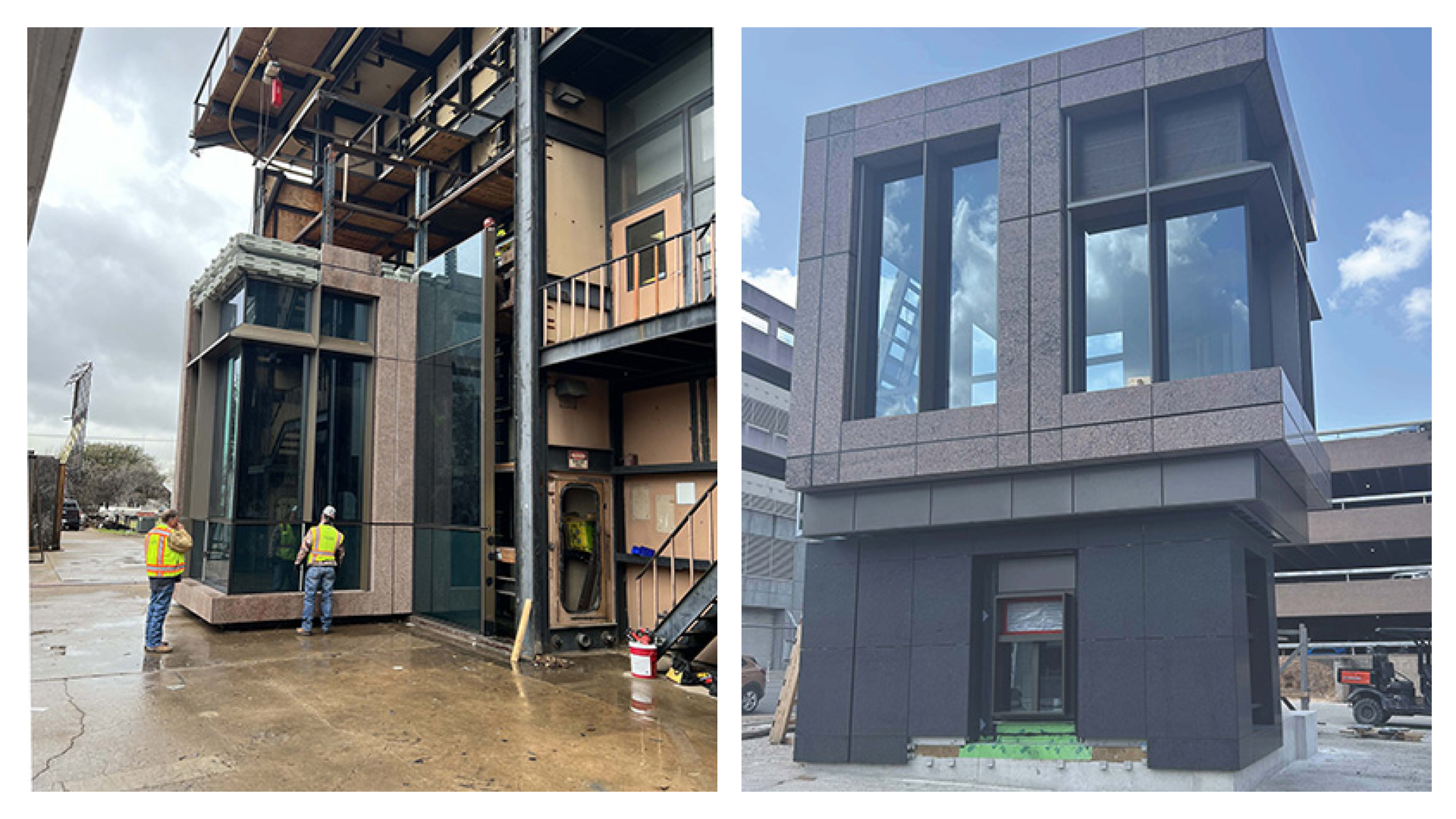
Left: Two-story, visual curtain wall mock-up. Right: Performance curtain wall
mock-up at material testing facility.
The design of the new State office buildings on 15th Street in downtown Austin includes an intricately patterned curtain wall system that combines Sunset Red granite, Mesabi Black granite, metal, and glass curtain wall. The merging of these materials will visually connect the buildings to the other state facilities in the Capitol Complex. However, installing the unique curtain wall system required extensive planning and precision design, engineering, and construction techniques. To prepare the project for the curtain wall installation, the project team first constructed two mock-ups. The mock-ups were used during the planning phase to perfect the processes for installing the curtain wall, assess the performance of the exterior against varying weather conditions, and train the construction professionals that would lead the installation.
Team Collaboration for a Unique Build
Building multiple mock-ups, especially a two-story mock-up, are unusual activities on a construction project. However, the mock-ups were necessary to help the project team understand the connections between the various types of curtain wall materials. Due to the complexity of the curtain wall system, the HOK design team included a requirement for a mock-up in the project design specifications. In mid-2024, the Phase II Capitol Complex team, including TFC project managers, the HOK design team, JE Dunn construction professionals, and curtain wall specialists from Win-Con Enterprises started the planning process. The team conducted several meetings to determine what elements to include based on the building performance testing needed. Project team members from TFC, HOK, and JE Dunn also met with material testing consultant, Terracon. From this collaborative effort, the team determined that two mockups were required, a performance mock-up for condition testing and a two-story visual mockup to refine the installation process and finalize the visual components.
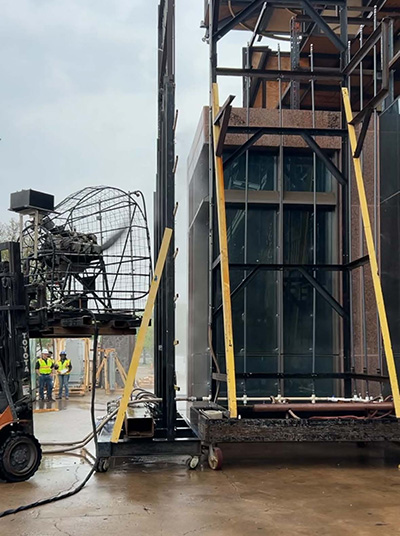
Water simulating a heavy storm is blown directly at the performance mock-up during water Infiltration testing.
The Performance Mock-up: Tests, Tests, and More Tests
The performance mockup was constructed at a material testing site in Carrollton, Texas and comprised a 20-foot-tall by 20-foot-wide curtain wall structure attached to a steel testing lab. The mock-up took two weeks to construct then a sealant was applied that had to cure for twenty-one days. After the sealant cured, the lengthy list of building performance tests began. The tests included uniform load tests to measure structural performance, air and water penetration tests, thermal cycling for extreme heat and cold cycles, seismic tests for earthquake conditions, etc.
The load testing measured the performance of the joints against uniform load bearing standards. For the water penetration testing, a specially made water dispensing structure with a large industrial fan blew water directly at the building. To simulate thermal cycling, liquid nitrogen tanks were used for extreme cold and industrial field heaters were used for extreme heat. Some of the testing combined both exterior and interior tests in different conditions to ensure that the curtain wall system performed as expected.
The curtain wall system passed every performance test the first time. The testing was completed in April 2025.
The Visual Mock-up: Refining and Training
The two-story, visual mock-up was constructed adjacent to the Phase II Capital Complex Project site on the project management lot at San Jacinto Boulevard and 15th Street. In addition to the uniqueness of the two floors, the structure is also incredibly large for a mock-up. The visual mock-up stands just shy of eighteen-by-eighteen square feet and is twenty-three feet high.
The Level 2 curtain wall from the metal base panel to the coping cap on the roof is prefabricated. The prefabrication process for the Level 2 panels is more complex and takes longer to manufacture than the other curtain wall units on the project. Fully assembled, one section of the Level 2 curtain wall weighs an estimated 2,400 pounds. A structural engineer reviewed the design to confirm that the mock-up structure would support the weight of the curtain wall.
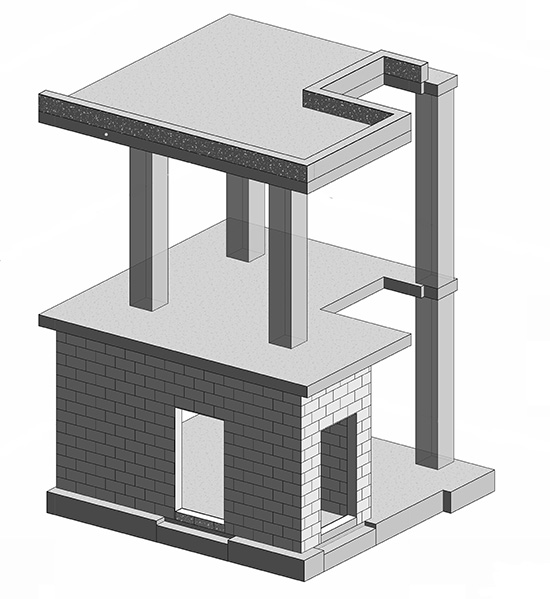
Structural Plan of the visual mock-up.
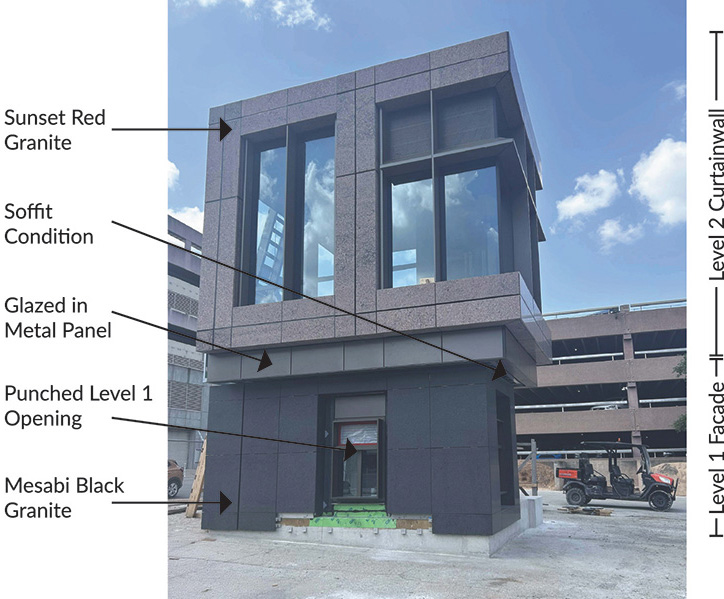
The visual mock-up was constructed and tested in sections, which allowed the team to analyze the performance of each component of the building. For example, the windows were installed on a section of the mock-up and then tested. Once the windows passed the condition testing, the metal panels were installed around the windows and the joints sealed. This allowed the team to verify the performance of window installation before adding the aesthetic components of the metal panels and additional weather proofing.
The trade partners constructing the mock-up provided further advice and were critical in establishing the approved installation process. By practicing and adjusting the process on the mock-up, these construction professionals were the best qualified to train the onsite crews and ensure quality control of the installation on the project site.
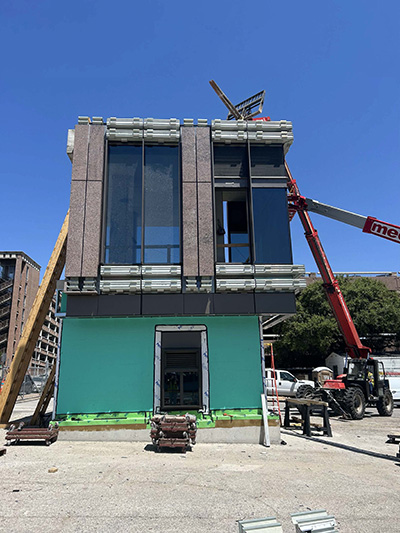
Construction of the mock-up in progress at the San Jacinto Boulevard and 15th Street location.
The construction crew used a 10,000-pound forklift to hoist the curtain wall panels then maneuvered them into place using a mobile elevating boom lift. The project team strategically oriented the mock-up wall to simulate the daylight conditions of the 1501 Lavaca State Office Building. Jobsite ladders, built by the project’s carpenters, allow access to Level 2 and the roof.
From Concept to Reality: Installing the Curtain Wall on Phase II of the Capitol Complex
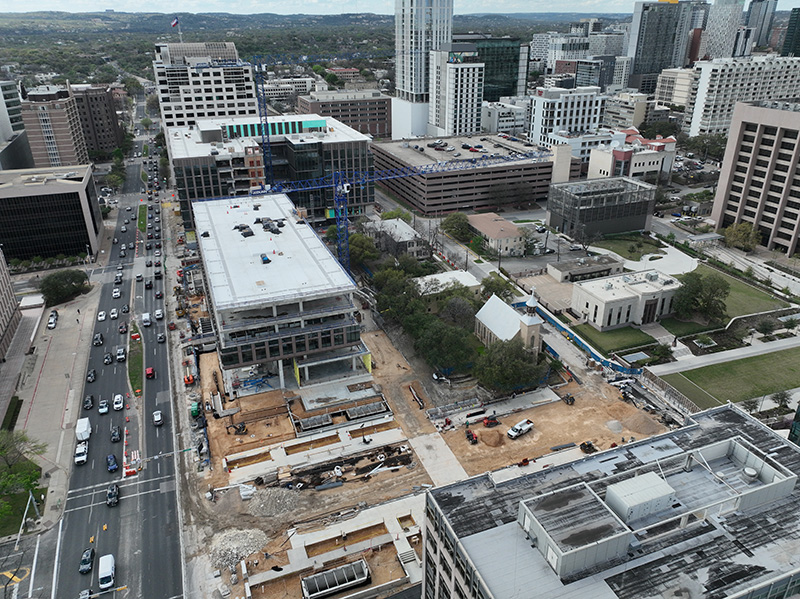
The curtain wall is currently being installed on the Phase II buildings. Even though the curtain wall panels are prefabricated, the process requires precision.
Eighteen flatbed semi-trucks are required to deliver the prefabricated curtain wall panels to the project site for one floor of the 1501 Lavaca State Office Building. Each delivery is carefully coordinated to mitigate traffic congestion in the downtown area. Win-Con Enterprises installed an outrigger on the project site to unload the panels from the trucks. The panels are rolled on skids to the respective areas of the site.
The edge of the concrete formwork contains embedded notches, and the prefabricated curtain wall panels have clips on the edges that fit into the notches. The clips and notches must match up, so attention to detail is vital. An installation crew consists of eight people, including a superintendent, foreman, and field leads. The installation team uses rigging equipment and a crane to hoist the panels up and then the crew guides the panels into place. One level of the 1501 Lavaca State Office Building requires an estimated two hundred thirty curtain wall panels. Each panel is numbered and installed in sequence. The project plans contain a fabrication drawing for each panel which equates to thousands of pages within the construction drawings. The installation team installs each section of curtain wall one panel at a time, using the same process that was refined on the mock-up.
A Well-Planned Execution and a Beautiful Outcome
The attention to detail, precision installation, and optimal building performance requirements made the mock-ups a necessary part of the project. Without the mock-ups, the team would not have been able to refine the installation process, which would have made the construction process slower with a higher margin of error. Through collaboration and ingenuity, the Phase II project team is creating a unique exterior aesthetic for the newest State office buildings in the Capitol Complex.
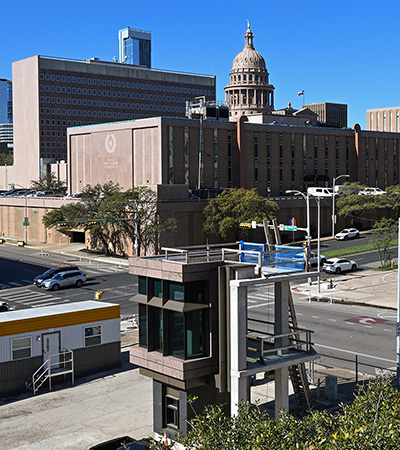
The two-story, visual mock-up at San Jacinto Boulevard and 15th Street with the State Capitol in the background.
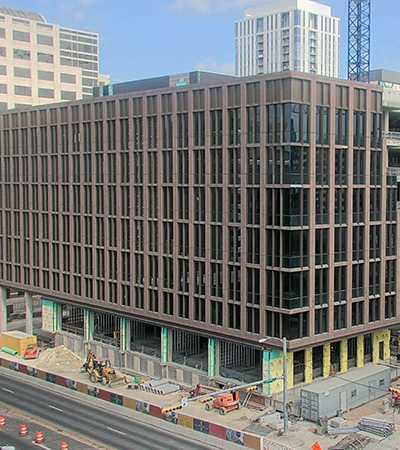
The 1501 Lavaca State Office Building with Sunset Red granite curtain wall installed.